The right pair of wetsuit boots can make a major difference when you are walking over rocks, launching from rough shorelines, or controlling your footing on a dive boat. Hard soles add protection and grip, while neoprene insulation helps keep feet comfortable in cold water.
We selected 10 wetsuit boots with hard soles in several thicknesses and designs, including zippered models, lightweight options, and versatile boots for diving, surfing, snorkeling, rafting, and canyoning. Use the guide below to match sole protection, warmth, fit, and convenience to your activities.
Contents
- Best 10 Wetsuit Boots with Hard Soles Picks for 2026
- Reliable Warm-Water Pick – Cressi Minorca 3mm Boots
- Maximum Underfoot Protection – Phantom Aquatics Rapido Propel 6.5mm
- Rocky-Entry Versatility – Cressi Isla 5mm Water Boots
- Balanced Cold-Water Performance – Phantom Aquatics Rapido Wise 5mm
- Rock-Ready Comfort – Cressi Isla Water Boots
- Cool-Water Support – SEAC Pro HD 6mm Boots
- Flexible Grip – hydroleap 5mm Scuba Boots
- Durable Grip Pick – ZCCO 5mm Neoprene Diving Boots
- Hard-Sole Versatility Pick – BPS Neoprene Dive Boots with Hard Sole
- Flexible Fit Pick – Skyone 3mm Neoprene Dive Boots
- How We Picked the Best Wetsuit Boots with Hard Soles
- Quick Comparison
- Key Buying Factors for Wetsuit Boots with Hard Soles
- Who Should Buy Which Wetsuit Boots with Hard Soles?
Best 10 Wetsuit Boots with Hard Soles Picks for 2026
Reliable Warm-Water Pick

- Flexible 3mm neoprene construction
- Anti-slip sole with reinforced heel and toe
- Zipper closure for easier changes
Best For: Warm-water snorkeling, scuba, and general water sports
Maximum Underfoot Protection
Phantom Aquatics Rapido Propel 6.5mm
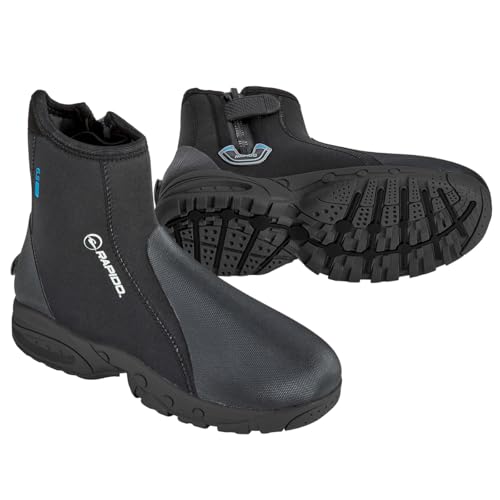
- Thick 6.5mm neoprene for cold water
- Molded hard sole with non-slip tread
- Reinforced toe and heel for rugged use
Best For: Cold-water diving and rocky shore entries
Rocky-Entry Versatility

- 5mm neoprene for warmth and flexibility
- Hard anti-slip rubber sole for rocks
- Heel design works with open-heel fins
Best For: Canyoning, diving, and rocky shoreline access
Balanced Cold-Water Performance
Phantom Aquatics Rapido Wise 5mm

- 5mm neoprene adds cold-water insulation
- Hard sole protects against rough surfaces
- Glued and sewn seams support durability
Best For: Versatile cooler-water boating and watersports
Rock-Ready Comfort

- Hard anti-slip rubber sole for rocks and wet surfaces
- 5 mm or 7 mm neoprene options
- Heel design helps secure open-heel fin straps
Best For: Diving, canyoning, and rocky shore access
Cool-Water Support

- Rigid molded sole offers high-grip protection
- 6 mm neoprene suits 50–60°F water
- Zipper, hook-and-loop closure, and arch support
Best For: Cool-water diving and surfing
Flexible Grip

- 5 mm neoprene protects and insulates feet
- Rugged sole grips wet, slippery surfaces
- 4-inch zipper is designed for ankle flexibility
Best For: Multi-sport water use and rocky shorelines
Durable Grip Pick
ZCCO 5mm Neoprene Diving Boots

- 5mm neoprene construction
- Anti-slip rubber sole
- Zip and Velcro closure
Best For: Divers and snorkelers seeking thicker neoprene and dependable wet-surface traction
Hard-Sole Versatility Pick
BPS Neoprene Dive Boots with Hard Sole

- Vulcanized anti-slip rubber sole
- 3mm, 5mm, and 7mm options
- Fin-friendly heel ridge
Best For: Multi-sport users wanting adjustable boots with hard-wearing traction
Flexible Fit Pick
Skyone 3mm Neoprene Dive Boots

- Stretchy 3mm neoprene
- Durable non-slip rubber sole
- Ankle drawstring and fin-friendly heel
Best For: Users wanting flexible, lighter boots for fins and varied water activities
Reliable Warm-Water Pick – Cressi Minorca 3mm Boots
Cressi Minorca Long 3 mm Crew Diving Boots, Black/Black, US Men's 11 • US Ladies' 12
Check Price On AmazonIf you want wetsuit boots with hard soles for general water sports, the Cressi Minorca combines lightweight 3mm neoprene with an anti-slip sole. Rubber heel and toe caps add reinforcement, while the zipper closure makes changing easier.
Best For: Warm-water snorkeling, scuba diving, rafting, windsurfing, and other recreational water activities.
Pros:
- 3mm neoprene offers flexible coverage for warm-water use.
- Anti-slip sole helps provide traction on wet surfaces.
- Rubber heel and toe caps add strength and durability.
- Zipper closure simplifies putting the boots on and taking them off.
Cons:
- Thinner 3mm construction may provide less insulation than 5mm or 6.5mm boots.
- The supplied listing identifies this pair as a size 11 Tall, so fit availability should be checked carefully.
The Minorca is a practical choice when flexibility and easy entry matter more than maximum cold-water insulation. Its reinforced sole-area construction makes it suitable for routine water use and wet-surface walking.
Maximum Underfoot Protection – Phantom Aquatics Rapido Propel 6.5mm
For demanding conditions, these wetsuit boots with hard soles emphasize protection and warmth. The molded hard sole, non-slip tread, and reinforced toe and heel are designed for rocky entries, wet docks, boat decks, and rough ground, while 6.5mm neoprene supports cold-water use.
Best For: Cold-water scuba diving, rocky shore entries, docks, boat decks, and rugged water environments.
Pros:
- 6.5mm neoprene provides substantial insulation for cooler conditions.
- Molded hard sole and non-slip tread help protect against rough surfaces.
- Reinforced toe and heel areas help resist wear.
- Heavy-duty YKK zipper and strap closure support a secure fit.
Cons:
- Thicker construction may feel bulkier than lighter water boots.
- Designed for compatible open-heel fins that can accommodate bulkier hard soles.
The Rapido Propel is the strongest match here for users who prioritize cold-water insulation and rugged underfoot protection. Its heavier design is best suited to demanding entries and environments rather than minimal, flexible footwear.
Rocky-Entry Versatility – Cressi Isla 5mm Water Boots
These wetsuit boots with hard soles balance warmth, traction, and water-sport versatility. Their 5mm neoprene helps keep feet warm, while the hard anti-slip rubber sole is intended for rocks, pebbles, and wet surfaces. A heel design also helps accommodate open-heel fin straps.
Best For: Scuba diving, snorkeling, canyoning, surfing, sailing, boating, and walking over rocky shorelines.
Pros:
- 5mm neoprene provides a practical balance of warmth and flexibility.
- Hard rubber sole helps protect feet on rocks and pebbles.
- Anti-slip outsole is suited to wet surfaces.
- Zip closure and fin-friendly heel design support convenient use.
Cons:
- Less insulated than the listed 7mm option and the 6.5mm Rapido Propel.
- Hard sole and medium-weight construction may feel less flexible than thinner boots.
The Isla is a well-rounded option for users who move between water activities and shore terrain. Its 5mm thickness and protective rubber sole make it especially useful when rocky access is part of the outing.
Balanced Cold-Water Performance – Phantom Aquatics Rapido Wise 5mm
The Rapido Wise is a balanced choice among wetsuit boots with hard soles, pairing 5mm Nylon-2 neoprene with a rubberized slip-resistant outsole. Glued and sewn seams, a heavy-duty YKK #10 zipper, and pressure-point seam placement support durability and comfort for repeated water use.
Best For: Cold-water boating, diving, surfing, kayaking, and general watersports requiring warmth and rough-surface protection.
Pros:
- 5mm neoprene provides thermal insulation for cooler water.
- Hard sole helps protect against rocks and rough surfaces.
- Glued and sewn seams are built to resist wear and tear.
- Heavy-duty zipper and pressure-conscious seam placement support a secure, comfortable fit.
Cons:
- Provides less insulation than a 6.5mm cold-water boot.
- The thicker hard-sole design may be less flexible than lightweight water shoes.
The Wise 5mm offers a useful middle ground: more warmth and protection than a thin boot without moving to the bulk of the thickest cold-water models. It is a versatile pick for users who participate in several watersports.
Rock-Ready Comfort – Cressi Isla Water Boots
For shoppers comparing wetsuit boots with hard soles, the Cressi Isla stands out with thick neoprene, a strong rubber sole, and a fit designed for open-heel fins. Its 5 mm or 7 mm construction makes it a versatile choice for water activities where warmth and footing both matter.
Best For: Scuba diving, snorkeling, canyoning, surfing, and walking over wet rocks or pebbles.
Pros:
- Hard, anti-slip rubber sole helps protect feet on rocks and wet surfaces.
- Available in 5 mm and 7 mm neoprene thicknesses for different warmth needs.
- Heel design helps hold open-heel fin straps in place.
- Flexible neoprene is intended to provide a comfortable fit.
Cons:
- The thicker 7 mm version may feel warmer and bulkier than lighter boot options.
- The supplied details do not specify a zipper closure.
The Isla is a practical all-around pick when firm ground protection is a priority. Its combination of thermal neoprene, fin-friendly heel shaping, and hard rubber traction suits divers and shoreline adventurers alike.
Cool-Water Support – SEAC Pro HD 6mm Boots
The SEAC Pro HD is a strong candidate among wetsuit boots with hard soles for cooler-water diving and surfing. It combines 6 mm neoprene with a rigid molded high-grip sole, while the side zipper and hook-and-loop closure make the boot easier to secure.
Best For: Adult divers and surfers who need warmth, firm traction, and added ankle and arch support in water around 50–60°F.
Pros:
- Rigidly molded, high-grip sole provides substantial protection and traction.
- 6 mm neoprene is suited to cooler water conditions.
- Side zipper and reinforced hook-and-loop closure support a secure fit.
- Arch support and a heel air bubble are designed to reduce stress.
Cons:
- The 6 mm construction may be warmer and less flexible than thinner boots.
- The supplied sizing information is limited to a listed XX-Large range of 11.5–12.5.
Choose the Pro HD when support and cold-water coverage matter more than a minimalist feel. Its molded sole and closure system make it especially appealing for divers who want a protective, structured boot.
Flexible Grip – hydroleap 5mm Scuba Boots
These hydroleap boots offer a modern take on wetsuit boots with hard soles, pairing 5 mm neoprene with a rugged anti-slip sole and a shorter 4-inch zipper. The design is aimed at improving flexibility around the ankle while protecting feet from rough underwater and shoreline surfaces.
Best For: Scuba diving, snorkeling, surfing, kayaking, sailing, and walking on wet decks or rocky terrain.
Pros:
- 5 mm neoprene provides thermal insulation and protection from sharp rocks, coral, and sea urchins.
- High-traction sole is designed for wet and slippery surfaces.
- Short 4-inch zipper is intended to reduce ankle pressure and stiffness.
- Blue sole adds visibility and a distinctive appearance.
Cons:
- The supplied notes do not provide a temperature rating.
- The shorter zipper may offer less full-length opening than traditional long-zip boots.
The hydroleap is a good fit for users who want hard-sole protection without the feel of a full-length zipper. Its versatile sport design and traction-focused sole make it suitable for varied aquatic environments.
Durable Grip Pick – ZCCO 5mm Neoprene Diving Boots
For shoppers comparing wetsuit boots with hard soles, the ZCCO 5mm model combines insulating neoprene with an anti-slip rubber sole. Its zip-and-Velcro closure and flexible boot tube are practical for snorkeling, scuba diving, and other wet-weather activities.
Best For: Water-sports users who want 5mm neoprene coverage, secure closure, and traction on wet surfaces.
Pros:
- 5mm neoprene offers substantial coverage for water activities.
- Anti-slip rubber soles provide grip on wet surfaces.
- Zip-and-Velcro closure supports an adjustable, secure fit.
- Blind-stitched construction is designed for durability.
Cons:
- The product is listed as not water resistant, so it should not be treated as fully waterproof.
- The size range is provided in grouped EU and sole-length measurements, so careful chart comparison is important.
The ZCCO is a solid choice when traction and a thicker neoprene build matter more than a minimalist design. The included carry bag also makes it convenient to transport between water activities.
Hard-Sole Versatility Pick – BPS Neoprene Dive Boots with Hard Sole
The BPS dive boots are a strong option if you specifically want wetsuit boots with hard soles for varied water sports. Their vulcanized rubber sole, dual Velcro adjustments, and fin-friendly heel ridge are designed for grip, stability, and compatibility with swim fins.
Best For: Men and women who need hard-wearing water boots for diving, snorkeling, surfing, rafting, or paddleboarding.
Pros:
- Vulcanized rubber sole is designed for grip on wet or smooth surfaces.
- Available in 3mm, 5mm, and 7mm neoprene options.
- Two Velcro straps help reduce water entry and foot movement.
- Heel ridge helps keep swim fins from slipping.
Cons:
- The product notes that all dive booties allow some water in.
- The listed item weight is 1.8 pounds, which may feel less lightweight than simpler booties.
Choose the BPS model if adjustability and fin compatibility are priorities. Its range of neoprene thicknesses also gives you more flexibility when selecting coverage for different conditions.
Flexible Fit Pick – Skyone 3mm Neoprene Dive Boots
Skyone’s 3mm booties suit shoppers looking for wetsuit boots with hard soles that remain flexible for fins and extended water activities. They pair stretchy neoprene with a durable rubber sole, rear heel support, and an ankle drawstring for fit adjustment.
Best For: Divers, snorkelers, and beach or paddle-sport users who prefer a lighter 3mm boot with fin compatibility.
Pros:
- Stretchy 3mm neoprene is designed to feel snug without feeling tight.
- Non-slip rubber soles help protect against sharp rocks and rough coral.
- Rear heel design supports open-heel diving fins.
- Ankle drawstring allows fit adjustment and may reduce foot fatigue.
Cons:
- The manufacturer states that the boots are not completely waterproof.
- The internal size marking uses women’s sizing, requiring attention when choosing a size.
- At 3mm, they provide less neoprene thickness than the 5mm and 7mm alternatives in this roundup.
The Skyone is a practical lightweight choice for users who value stretch, fin stability, and foot protection. Its glued and blind-stitched seams are intended to support frequent use across several water sports.
How We Picked the Best Wetsuit Boots with Hard Soles
We compared these boots by looking at the features that matter most in real water use: sole construction, traction, neoprene thickness, closure design, drainage, flexibility, and available sizing. We also considered how well each style suits common activities such as scuba diving, snorkeling, surfing, rafting, and walking across uneven beaches or boat ramps.
Because conditions vary, the list includes both lightweight 3mm boots and warmer 5mm to 7mm designs. Hard or reinforced rubber soles were prioritized for protection against sharp rocks, rough surfaces, and hot sand.
Quick Comparison
| Feature | What to look for | Best suited to |
|---|---|---|
| 3mm neoprene | Lightweight feel and moderate insulation | Warm water, surfing, and travel |
| 5mm neoprene | Balanced warmth, flexibility, and protection | General water sports and diving |
| 6mm–7mm neoprene | Maximum insulation and substantial construction | Cold water and extended sessions |
| Hard rubber sole | Grip and protection from rough ground | Rocky entries, shore diving, and boat use |
| Side zipper | Faster on-and-off access | Frequent changes and users who prefer convenience |
Key Buying Factors for Wetsuit Boots with Hard Soles
Sole Grip and Protection
Look for a molded, textured, or anti-slip rubber sole with enough thickness to resist punctures and abrasions. A deeper tread is useful on wet rocks and boat decks, while a more flexible sole may feel better on a surfboard.
Neoprene Thickness
Choose thickness according to water temperature and activity level. Thinner boots offer better flexibility and packability. Thicker boots provide more warmth but can feel stiffer, especially when paired with a heavily reinforced sole.
Fit and Closure
A snug fit helps prevent water exchange and reduces rubbing, but toes should not be compressed. Zippers can simplify dressing, while pull tabs, adjustable openings, or stretch panels can improve the fit around the ankle. Check the manufacturer’s size chart rather than relying only on your usual shoe size.
Drainage and Construction
Drain holes can help water escape after entry, while glued and stitched seams may improve durability and reduce leakage. Confirm that the boot opening works comfortably with your wetsuit legs or drysuit seals.
Who Should Buy Which Wetsuit Boots with Hard Soles?
For warm-water travel, casual snorkeling, or maximum flexibility, a 3mm model is usually the easiest choice. Most divers and general water-sports users will find 5mm boots offer the best balance of warmth, protection, and mobility. Choose a 6mm or 7mm option for colder conditions or longer sessions where insulation matters more than flexibility.
If you frequently cross rocky shorelines, launch from rough beaches, or work on wet boat surfaces, prioritize the most substantial anti-slip sole and a secure ankle fit. If quick changes are important, consider a side-zip design. Before buying, verify sizing, intended water temperature, and whether the sole is flexible enough for your equipment and activity.