Choosing among the best kayaks for ocean use means balancing stability, maneuverability, comfort, and transport. Calm bays, protected shorelines, and open coastal water each place different demands on a kayak.
This roundup includes sit-on-top, sit-inside, tandem, modular, and inflatable designs so you can match the boat to your experience, paddling plans, and storage setup.
Contents
- Best 10 Kayaks for Ocean Use Picks for 2026
- Best Tandem Choice – Old Town Ocean Kayak Malibu Two
- Best Portable Option – INTEX Excursion Pro K2 Inflatable Kayak
- Best Solo Sit-on-Top – Old Town Ocean Kayak Malibu 9.5
- Best Tracking Performance – Pelican Sprint 120XR
- Lightweight Coastal Angler – Perception Flash 9.5
- Stable Recreational Starter – Pelican Argo 100X
- Comfortable Mild-Wave Cruiser – Perception Tribe 9.5
- Best Modular Pick – Lifetime Lockport 94
- Best Tandem Value – Perception Rambler 13.5
- Best Lightweight Solo – Pelican Seek 100X
- How We Picked These Kayaks for Ocean Use
- Quick Comparison
- Key Buying Factors for Kayaks for Ocean Use
- Who Should Buy Which Kayaks for Ocean Use?
Best 10 Kayaks for Ocean Use Picks for 2026
Best Tandem Choice
Old Town Ocean Kayak Malibu Two

- Two padded seats with solo or tandem flexibility
- 453-pound total weight capacity
- Hatch and bungee-secured storage areas
Best For: Two-person recreational coastal paddling
Best Portable Option
INTEX Excursion Pro K2 Inflatable Kayak

- Folds into an included carry bag
- Includes paddles, pump, skegs, and repair patch
- 400-pound tandem capacity
Best For: Portable tandem trips and compact storage
Best Solo Sit-on-Top
Old Town Ocean Kayak Malibu 9.5
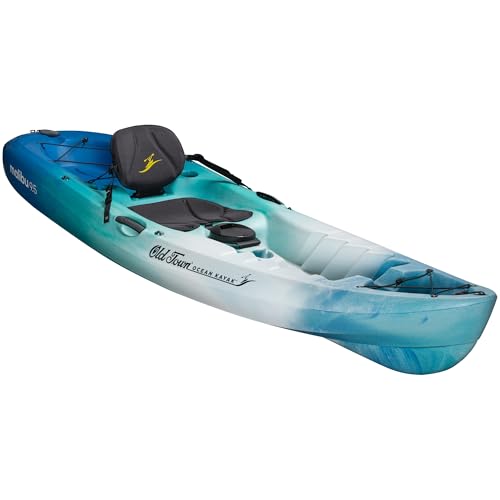
- Surf-stable hull for wave conditions
- Adjustable backrest and molded footwells
- 54-pound solo kayak with dry and bungee storage
Best For: Solo recreational ocean paddling
Best Tracking Performance

- Deep V-chine hull and keel extension aid tracking
- 41-pound lightweight sit-in design
- Storage, bulkhead, and flotation features included
Best For: Solo paddlers prioritizing efficient tracking
Lightweight Coastal Angler

- 41-pound sit-inside kayak
- Rod holders and rear storage
- 325-pound capacity
Best For: Calm coastal bays, casual fishing, and easy transport
Stable Recreational Starter

- 36-pound lightweight design
- Stable multi-chine hull
- Adjustable Ergoform seating
Best For: Beginners on calm, protected coastal water
Comfortable Mild-Wave Cruiser
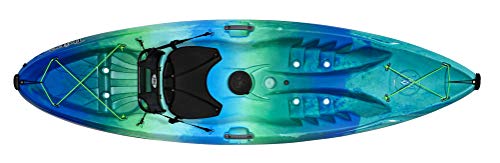
- Stable sit-on-top design
- Adjustable high-back seat
- 300-pound capacity with rear storage
Best For: Calm water and mild ocean-wave recreation
Best Modular Pick

- Nesting two-piece design for compact storage
- Paddle and fishing accessories included
- 250-lb capacity with adjustable padded seat
Best For: Solo paddlers prioritizing transport and storage
Best Tandem Value
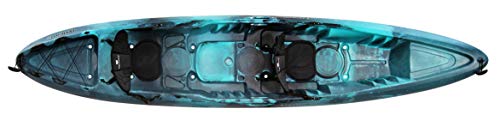
- Roomy tandem layout for two paddlers
- 550-lb capacity with optional center seat
- Designed for bays and light surf
Best For: Families and couples on recreational coastal outings
Best Lightweight Solo

- 43.1-lb design is easier to carry
- Stable twin-arched multi-chine hull
- Adjustable seat and multiple storage areas
Best For: Solo recreational paddlers wanting easy handling
Best Tandem Choice – Old Town Ocean Kayak Malibu Two
For paddlers comparing kayaks for ocean use, the Old Town Ocean Kayak Malibu Two is a practical tandem sit-on-top option. Its surf-stable design, dual padded seats, overlapping footwells, and open bungee-secured storage make it suitable for recreational coastal outings with a partner.
Best For: Two-person recreational paddling with flexible solo or tandem seating.
Pros:
- Seats two paddlers and supports up to 453 pounds total.
- Overlapping footwells help a center-positioned solo paddler maintain control.
- QuickStash hatch and bow-and-stern tankwells provide accessible gear storage.
- Stackable construction helps conserve storage space.
Cons:
- At 78 pounds, it is relatively heavy to carry.
- Paddles are sold separately.
- Its 12-foot length requires more storage space than a compact solo kayak.
The Malibu Two is a strong fit when shared seating and storage flexibility matter most. Its sit-on-top layout is convenient for recreational use, while the weight and tandem size are worth considering for transport.
Best Portable Option – INTEX Excursion Pro K2 Inflatable Kayak
The INTEX Excursion Pro K2 stands out among kayaks for ocean use when portability is a priority. This inflatable tandem kayak folds into its carry bag and includes paddles, a pump, removable skegs, and repair equipment for convenient transport and setup.
Best For: Portable tandem adventures where compact storage and included accessories are important.
Pros:
- Folds for transport and weighs 44.7 pounds.
- High-pressure inflation provides added rigidity and stability.
- Removable skegs support maneuverability in deep or shallow water.
- Includes two paddles, pump, carry bag, repair patch, and gear tie-down D-rings.
Cons:
- The 400-pound capacity is lower than the Malibu Two’s listed capacity.
- Inflation is required before use.
- The 90-day limited warranty is shorter than some competing coverage.
The Excursion Pro K2 is especially appealing for paddlers without room to store a rigid kayak. Its included equipment simplifies getting started, though setup time and inflatable construction should be weighed against the convenience of portability.
Best Solo Sit-on-Top – Old Town Ocean Kayak Malibu 9.5
Solo paddlers looking at kayaks for ocean use may appreciate the Old Town Ocean Kayak Malibu 9.5. Its surf-stable hull, adjustable backrest, molded footwells with calf rests, and accessible dry hatch are designed for comfortable recreational outings in varied water conditions.
Best For: Solo recreational paddlers wanting a stable, manageable sit-on-top kayak.
Pros:
- Surf-stable hull is engineered for wave conditions and varied water environments.
- Adjustable AirComfort backrest supports personalized positioning.
- QuickStash dry hatch and bungee storage provide several gear-storage options.
- At 54 pounds, it is easier to transport than the tandem Malibu Two.
Cons:
- The 325-pound total capacity limits how much paddler and gear weight can be carried.
- Paddles are sold separately.
- It offers only one seat.
The Malibu 9.5 balances a compact 9-foot-5-inch length with stability-focused features and useful storage. It is a sensible choice for solo recreational use, particularly when easier handling and transport matter.
Best Tracking Performance – Pelican Sprint 120XR
Pelican Sprint XR - Sit-in Kayak - Lightweight one Person Kayak - 10.75 ft - Blue
Check Price On AmazonFor solo paddlers who prioritize tracking and efficient strokes, the Pelican Sprint 120XR offers a performance-oriented alternative among kayaks for ocean use. Its deep V-chine hull, keel extension, adjustable footrests, and sit-in cockpit are intended to improve control in choppy conditions.
Best For: Solo recreational paddlers seeking a lightweight sit-in kayak with responsive tracking.
Pros:
- Deep V-chine hull improves tracking and secondary stability.
- At 41 pounds, it is comparatively easy to carry.
- Rear hatch, front bungees, day hatch, and bottle holders provide useful storage.
- Stern bulkhead and added foam blocks provide additional flotation and safety features.
Cons:
- Its 300-pound capacity is the lowest among the listed kayaks.
- It has a single sit-in cockpit rather than an open tandem layout.
- The 28-inch width may provide less initial stability than wider sit-on-top designs.
The Sprint 120XR is a good match for paddlers who value lighter weight, directional control, and a more performance-focused cockpit. Its lower capacity and narrower profile make fit and stability preferences especially important.
Lightweight Coastal Angler – Perception Flash 9.5
For paddlers comparing kayaks for ocean use, the Perception Flash 9.5 offers a compact sit-inside design with nimble handling, a dry ride, and useful fishing features. Its 41-pound weight makes transport easier, while the 325-pound capacity accommodates a range of paddlers and gear.
Best For: Solo paddlers seeking a lightweight kayak for calm coastal bays, lakes, slow rivers, and casual fishing.
Pros:
- Lightweight 41-pound construction is easier to carry and maneuver.
- Sit-inside layout helps provide a dry, comfortable ride.
- Built-in rod holders and rear storage support fishing trips.
- Adjustable foot braces and a spacious interior suit different paddler sizes.
Cons:
- Its 9.6-foot length and recreational design are better suited to calm coastal conditions than challenging open-ocean water.
- Storage is described as rear storage, so it may be less practical for extended trips.
The Flash 9.5 is a versatile recreational option when easy handling, portability, and fishing-oriented features matter more than expedition performance. Keep ocean use to suitable calm conditions.
Stable Recreational Starter – Pelican Argo 100X
The Pelican Argo 100X is a straightforward sit-in option for shoppers considering kayaks for ocean use in calm, protected conditions. Its lightweight Ram-X construction, stable twin-arched multi-chine hull, and supportive seating make it approachable for newer paddlers.
Best For: Beginners and recreational paddlers who prioritize stability and comfort on calm coastal water.
Pros:
- Lightweight 36-pound construction is easy to handle.
- Twin-arched multi-chine hull increases contact with the water for a stable feel.
- Ergoform seating includes an adjustable backrest and spacious cushion.
- Molded footrests provide support for paddlers of different sizes.
Cons:
- The 275-pound maximum capacity leaves less room for paddler weight and gear than some alternatives.
- Supplied notes do not list dedicated fishing features or a specific storage compartment.
- Its recreational 10-foot format is intended for calm conditions rather than demanding ocean trips.
The Argo 100X emphasizes confidence-building stability, comfort, and manageable weight. It can work for protected coastal outings, but paddlers should avoid treating this recreational kayak as an open-ocean touring boat.
Comfortable Mild-Wave Cruiser – Perception Tribe 9.5
Among kayaks for ocean use, the Perception Tribe 9.5 stands out as a stable sit-on-top choice for mild waves and relaxed coastal outings. Its supportive framed seat, 300-pound capacity, and secured rear storage make it practical for recreational day trips.
Best For: Paddlers who want a comfortable, stable sit-on-top kayak for calm water and mild ocean waves.
Pros:
- Sit-on-top design offers a stable, approachable setup for recreational paddling.
- High-back seatback provides cushioning, support, and adjustable recline positions.
- Rear storage with tie-downs accommodates day-trip gear.
- Stackable 46-pound design and USA construction support easier transport and storage.
Cons:
- At 46 pounds, it is heavier than the other listed options.
- The 31.5-inch width and sit-on-top layout may be less efficient for longer-distance touring.
- It is described for mild ocean waves, not severe or exposed ocean conditions.
The Tribe 9.5 is a strong recreational pick when comfort, stability, and easy-access storage are priorities. Its sit-on-top format suits casual coastal use, provided conditions remain mild.
Best Modular Pick – Lifetime Lockport 94
For paddlers seeking kayaks for ocean use with easier transport and storage, the Lifetime Lockport 94 offers a practical modular design. Its two HDPE sections nest together, then connect with the SlideLock system for a stable sit-on-top setup.
Best For: Solo paddlers who want compact storage, included paddle, and angler-friendly features.
Pros:
- Two-piece design nests and stacks for more convenient transport and storage.
- UV-protected, weather-resistant HDPE construction is lightweight and impact resistant.
- Includes a paddle, rod holders, tankwell storage, bottle holder, and paddle keeper.
- Adjustable padded seat, multiple footrests, deep hull channels, and chine rails support comfort and stability.
Cons:
- Its 250-pound weight capacity may limit gear or larger paddlers.
- At 40 pounds, the assembled kayak still requires carrying the joined sections as one unit.
The Lockport 94 stands out when portability is a priority without switching to an inflatable kayak. Its 9-foot-4-inch length and sit-on-top layout are best suited to suitable coastal conditions rather than demanding open-water expeditions.
Best Tandem Value – Perception Rambler 13.5
The Perception Rambler 13.5 is a roomy tandem option for recreational kayaks for ocean use, especially in bays and light surf. Its stable sit-on-top design accommodates two paddlers and provides space for a child, dog, cooler, or other gear.
Best For: Couples, families, and beginners who want a stable two-person kayak for bays, light surf, and other calm outings.
Pros:
- Two-person seating with a generous 550-pound maximum capacity.
- Suitable for lakes, ocean bays, light surf, and slow-moving rivers.
- Roomy molded-in seating and removable padded seats with adjustable back support.
- Large rear open storage area with tie-downs accommodates a cooler and other equipment.
Cons:
- At 78 pounds and 13 feet 6 inches long, it is less convenient to transport than smaller solo models.
- Its recreational design is not presented as a choice for demanding open-ocean conditions.
Choose the Rambler when shared paddling and stability matter more than compact handling. The center seat also adds flexibility for a child or dog, while the broad capacity supports relaxed day trips with equipment.
Best Lightweight Solo – Pelican Seek 100X
The Pelican Seek 100X is a lightweight solo choice among kayaks for ocean use when easy handling and straightforward recreational features are priorities. Its 10-foot sit-on-top hull combines a stable twin-arched multi-chine design with adjustable seating and organized storage.
Best For: Solo recreational paddlers who want a relatively light kayak with stable entry and useful day-trip storage.
Pros:
- At 43.1 pounds, it is easier to carry than many larger recreational kayaks.
- Twin-arched multi-chine hull is designed for a smooth, stable ride.
- Adjustable Ergoform seating provides cushioning and backrest support.
- Includes bow and tankwell storage plus a dual-position bottle holder.
Cons:
- Its 300-pound capacity leaves less room for heavy gear than the larger tandem model.
- The 10-foot recreational layout is better suited to appropriate calm coastal conditions than extended open-ocean trips.
The Seek 100X is a sensible pick for paddlers who value manageable weight, stable entry, and organized storage. Its slip-resistant standing area and Ergobar system add convenience, though users should match conditions to its recreational design.
How We Picked These Kayaks for Ocean Use
We focused on practical traits that matter when paddling along coastlines, including hull stability, tracking, cockpit or deck design, seating comfort, storage, weight, and ease of transport. The selection spans solo and tandem kayaks, along with inflatable and modular options for buyers who have limited vehicle or garage space.
These kayaks are best suited to calm coastal conditions, protected bays, estuaries, and nearshore recreation unless the manufacturer specifically rates a model for more demanding water. Always check local conditions, wear a properly fitted personal flotation device, and avoid paddling beyond your skill level.
Quick Comparison
| Kayak Type | Best For | Main Advantage | Potential Trade-Off |
|---|---|---|---|
| Tandem sit-on-top | Couples and families | Open, stable layout | Heavier and wider |
| Solo sit-on-top | Easy coastal recreation | Simple entry and drainage | Less enclosed protection |
| Solo sit-inside | Efficient paddling | Better wind protection and tracking | Requires more attention to re-entry |
| Inflatable | Portable storage | Packs down compactly | Needs careful inflation and drying |
| Modular | Small vehicles and apartments | Easier transport and storage | Assembly takes extra time |
Key Buying Factors for Kayaks for Ocean Use
Stability and Hull Design
Prioritize predictable primary stability if you are new to coastal paddling or expect to fish, take photos, or bring a child. A longer, narrower hull may track more efficiently, while a wider hull generally feels steadier but can be slower and harder to carry.
Open or Enclosed Seating
Sit-on-top kayaks are easy to enter and exit and are often convenient for warm-weather recreation. Sit-inside models can offer improved protection from wind and spray, but beginners should learn basic wet-exit and re-entry skills before venturing farther from shore.
Tracking, Wind, and Conditions
Ocean wind and currents can quickly push a lightweight kayak off course. Look for a hull with dependable tracking, and consider a skeg or rudder if you regularly paddle longer distances. No recreational kayak eliminates the need to monitor forecasts, tides, and launch conditions.
Storage, Capacity, and Comfort
Check the stated weight capacity rather than judging by seat count alone. Allow room for paddler weight, clothing, water, safety gear, and dry bags. Adjustable seating, foot braces, deck bungees, and sealed compartments can make longer trips more manageable.
Portability and Durability
Measure your vehicle, storage area, and launch route before buying. Hard-shell kayaks are ready to use but may require roof transport. Inflatable and modular boats are easier to store, while rugged polyethylene construction generally tolerates ordinary beach and launch wear.
Who Should Buy Which Kayaks for Ocean Use?
- Choose a tandem sit-on-top if you want to paddle with a partner or supervise a younger passenger.
- Choose a solo sit-on-top for straightforward entry, recreational fishing, and relaxed nearshore outings.
- Choose a sit-inside kayak if you value efficient paddling, a more enclosed cockpit, and improved protection from spray.
- Choose an inflatable when compact storage and car-free portability matter most.
- Choose a modular kayak when you need a hard-shell option that is easier to transport in smaller sections.
For most buyers, the best choice is the model that fits both the intended water and the practical realities of transport, storage, safety equipment, and paddling experience.