The best zippered wetsuit boots make cold-water sessions more comfortable while adding traction and protection on rocky shores, boat decks, and uneven entries. The right pair should balance insulation, sole grip, fit, and zipper reliability for your activity.
We compared 10 options ranging from lightweight tropical booties to heavily insulated 6mm dive boots, with attention to construction, closure design, sole stability, and practical versatility.
Contents
- Best 10 Zippered Wetsuit Boots Picks for 2026
- Heavy-Duty Dive Pick – Aqualung Echozip Dive Boots
- Lightweight Reef Choice – O'Neill Reactor Reef Boot
- Rock-Walking Workhorse – Isla Adult Crew Water Boots
- Flexible Split-Toe Pick – O'Neill Superfreak Tropical Boot
- Versatile Water Sports Pick – Cressi Minorca 3mm Boots
- Cool-Water Protection Pick – SEAC Pro HD 6mm Boots
- Heavy-Duty Comfort Pick – AQUALUNG Superzip Dive Boots
- Flexible Beach & Water Socks – XUKER 3mm Neoprene Diving Boots
- Everyday Scuba Booties – 3mm Neoprene Diving Boots
- Cold-Water Zippered Coverage – Skyone 5mm Neoprene Dive Boots
- How We Picked These Zippered Wetsuit Boots
- Quick Comparison
- Key Buying Factors for Zippered Wetsuit Boots
- Who Should Buy Which Zippered Wetsuit Boots?
Best 10 Zippered Wetsuit Boots Picks for 2026
Heavy-Duty Dive Pick
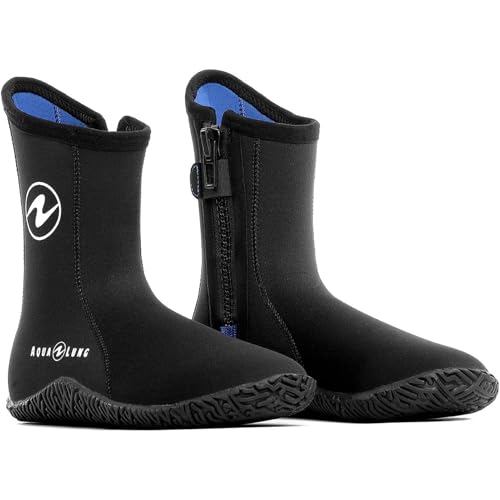
- Warm 7mm neoprene construction
- Treaded protective rubber outsole
- Durable non-corrosive YKK zipper
Best For: Scuba divers needing warmth, grip, and protection
Lightweight Reef Choice

- Flexible 2mm FluidFlex neoprene
- Raised-texture rubber traction sole
- Anatomical round-toe fit
Best For: Warm-water reef, beach, and watersports use
Rock-Walking Workhorse

- Warm 5mm high-stretch neoprene
- Hard anti-slip rubber sole
- Fin-friendly heel and ankle zipper
Best For: Divers and canyoners walking over rocky terrain
Flexible Split-Toe Pick
O'Neill Superfreak Tropical Boot

- Natural-feeling split-toe design
- Lightweight 2mm neoprene
- Textured sole with secure cinch system
Best For: Warm-water surfing and active board sports
Versatile Water Sports Pick

- Flexible 3mm neoprene construction
- Anti-slip sole with reinforced heel and toe
- Zipper closure for easier entry
Best For: General snorkeling, diving, and water sports
Cool-Water Protection Pick

- 6mm neoprene for cooler water
- Rigid high-grip molded sole
- Arch support and heel air bubble
Best For: Diving and surfing around 50–60°F
Heavy-Duty Comfort Pick

- 8mm treaded sole for added protection
- Ergonomic footbed with low-seam design
- Non-corrosive #10 YKK zipper
Best For: Rough-terrain diving and extended wear
Flexible Beach & Water Socks
XUKER 3mm Neoprene Diving Boots

- Stretchy 3mm neoprene insulation
- Side-zip adjustable closure
- Abrasion-resistant anti-slip sole
Best For: Beach activities and lighter water sports
Everyday Scuba Booties
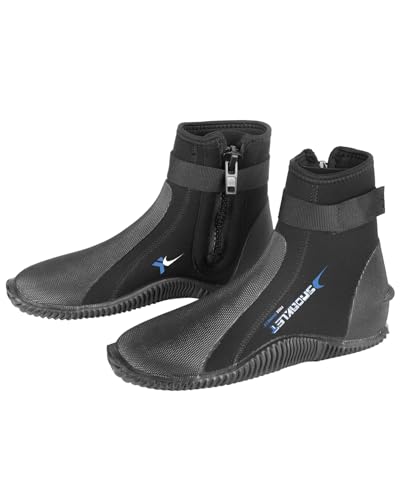
- Glued blind-stitched construction
- Anti-slip rubber sole
- Designed for use with dive fins
Best For: Routine diving, snorkeling, and kayaking
Cold-Water Zippered Coverage
Skyone 5mm Neoprene Dive Boots

- Warm 5mm neoprene construction
- Adjustable full-length zipper
- Anti-slip rubber sole and fin-friendly heel
Best For: Colder-water diving and fin-assisted activities
Heavy-Duty Dive Pick – Aqualung Echozip Dive Boots
For divers seeking zippered wetsuit boots with substantial warmth and protection, the Aqualung Echozip is built around a 7mm neoprene construction, ergonomic footbed, and durable YKK zipper. Its treaded rubber outsole also helps handle wet, uneven, and potentially hazardous surfaces.
Best For: Scuba diving, snorkeling, and extended water sessions where warmth, grip, and foot protection matter.
Pros:
- 7mm neoprene provides dependable warmth across varied water conditions.
- Ergonomic ERGO footbed and outsole support comfort and stability.
- Thick, flexible rubber outsole helps protect against punctures, stings, and slippery surfaces.
- Non-corrosive YKK toothed zipper supports secure closure and easier entry.
Cons:
- The thicker 7mm construction may feel warmer and less minimal than lightweight reef boots.
- Designed primarily for diving, so it may be more boot than casual beach users need.
The Echozip stands out when protection and insulation take priority. Its seam placement, anatomical shape, and reliable zipper make it a strong choice for demanding underwater use.
Lightweight Reef Choice – O'Neill Reactor Reef Boot
The O’Neill Reactor is a lightweight option for shoppers comparing zippered wetsuit boots with versatile reef and beach protection. Its 2mm FluidFlex neoprene, anatomical round-toe fit, and raised-texture rubber sole are suited to a broad range of water activities.
Best For: Reef walking, snorkeling, paddleboarding, kayaking, boating, surfing, and beach activities.
Pros:
- 2mm neoprene offers lightweight protection and flexibility.
- Anatomical round-toe design supports natural movement and a snug fit.
- Extra-thick raised-texture rubber sole provides traction and abrasion protection.
- Flatlock seams and a double-seal O’Ring closure support comfort and security.
Cons:
- This model uses a pull-on closure rather than a zipper.
- Its 2mm construction may provide less warmth than thicker dive boots.
Choose the Reactor when low bulk and all-around surface protection matter more than maximum insulation. The breathable construction and grippy sole make it a practical multipurpose water shoe.
Rock-Walking Workhorse – Isla Adult Crew Water Boots
The Isla Adult Crew Water Boots combine 5mm neoprene warmth with a hard rubber sole, making them a practical pick among zippered wetsuit boots for scuba diving, surfing, and rocky shore access. A full-length zipper helps with entry, while the heel design is shaped to work with open-heel fins.
Best For: Scuba diving, snorkeling, canyoning, and water sports involving rocks, pebbles, or wet surfaces.
Pros:
- 5mm stretchy neoprene helps keep feet warm while remaining comfortable.
- Strong anti-slip rubber sole protects feet when walking on rocks and pebbles.
- Heel design helps keep open-heel fin straps from slipping.
- Zipper extending from the sole to the ankle makes the boots easier to put on and remove.
Cons:
- The substantial rubber sole and 5mm build may feel heavier than minimalist water shoes.
- The listed item weight is 2 pounds, which may matter for packability.
With its combination of warmth, hard-soled protection, and fin-friendly heel, the Isla is particularly well suited to divers and canyoning users who need to walk confidently outside the water.
Flexible Split-Toe Pick – O'Neill Superfreak Tropical Boot
The O’Neill Superfreak offers a low-profile alternative to zippered wetsuit boots, using 2mm neoprene, a split-toe design, and a textured rubber sole. Its cinch cord, forefoot strap, and heel pull tab help keep the boot secure during active water sports.
Best For: Surfing, paddleboarding, kayaking, boating, beach activities, and warm-water reef protection.
Pros:
- Split-toe construction supports natural movement and board feel.
- Lightweight 2mm FluidFlex neoprene suits warm-water activities.
- Textured rubber sole provides traction and protection on rough surfaces.
- Cinch cord and forefoot strap help lock the boot in place.
Cons:
- This model uses a drawstring and strap rather than a zipper.
- Its 2mm thickness offers less insulation than heavier dive boots.
- The split-toe design may not suit shoppers who prefer a conventional round toe.
The Superfreak is a strong choice when flexibility, control, and a close-fitting feel are priorities. Its secure adjustment system makes it especially appealing for active board and water-sport use.
Versatile Water Sports Pick – Cressi Minorca 3mm Boots
Cressi Minorca Long 3 mm Crew Diving Boots, Black/Black, US Man's 8 • US Ladies' 9
Check Price On AmazonThese Cressi Minorca boots are a practical choice when you want zippered wetsuit boots for snorkeling, scuba diving, swimming, canoeing, or other water sports. Their 3mm neoprene construction balances flexibility with durability, while the anti-slip sole helps provide traction on wet surfaces.
Best For: General water sports and warm-to-moderate conditions where flexible, tall boots are useful.
Pros:
- 3mm neoprene offers a flexible, durable build.
- Anti-slip sole helps improve traction.
- Rubber heel and toe caps add reinforcement.
- Zipper closure makes them easier to put on and remove.
Cons:
- They may offer less insulation than thicker 6mm or 7mm boots.
- The supplied details identify a regular fit and note poor fit-to-size sentiment, so sizing deserves attention.
Choose these boots for their versatile design and straightforward zippered entry. They are especially appealing for recreational users who prioritize mobility and durable protection over maximum cold-water insulation.
Cool-Water Protection Pick – SEAC Pro HD 6mm Boots
The SEAC Pro HD is a strong option for shoppers seeking zippered wetsuit boots for cooler water. Its 6mm neoprene is rated for approximately 50–60°F conditions, while the rigid molded sole and supportive construction are designed for protection and stability.
Best For: Diving and surfing in cooler water around 50–60°F.
Pros:
- 6mm neoprene provides substantial insulation for cooler conditions.
- Rigid molded sole offers high-grip protection.
- Side zipper is paired with a reinforced hook-and-loop closure.
- Arch support and a heel air bubble may help reduce foot stress.
Cons:
- Thicker neoprene can feel less flexible than lighter boots.
- The supplied size listing is XX-Large, covering approximately sizes 11.5–12.5.
For cold-water users, the SEAC Pro HD emphasizes insulation, sole protection, and foot support. It is a more specialized choice than a lightweight boot, particularly for divers and surfers who need extra warmth.
Heavy-Duty Comfort Pick – AQUALUNG Superzip Dive Boots
AQUALUNG Superzip boots are designed for divers who want zippered wetsuit boots with a protective, ergonomic build. The 3mm neoprene upper is paired with an 8mm treaded sole, reinforced panels, and a non-corrosive YKK zipper for repeated use in demanding underwater and shore-entry conditions.
Best For: Divers needing substantial sole protection, stable footing, and comfortable extended wear.
Pros:
- 8mm treaded sole helps protect against punctures, sharp objects, and rough terrain.
- Ergonomic footbed and outsole are shaped to follow the foot’s contours.
- Minimal seams and elastic cuff binding may reduce chafing.
- Non-corrosive #10 YKK zipper supports saltwater use and easy entry.
Cons:
- The boots use 3mm neoprene, so the upper may provide less insulation than a fully 6mm boot.
- The thick sole and reinforced panels may feel more substantial than lightweight water shoes.
This model stands out when protection and long-wear comfort matter more than minimal bulk. Its combination of an ergonomic shape, reinforced construction, and heavy-duty zipper makes it well suited to challenging dive environments.
Flexible Beach & Water Socks – XUKER 3mm Neoprene Diving Boots
For shoppers comparing zippered wetsuit boots, the XUKER offers a flexible 3mm neoprene design with a side-zip closure, making it a practical choice for lighter water activities and beach use. Its anti-slip, abrasion-resistant sole helps protect feet on sand and around the water.
Best For: Beach walking, swimming, snorkeling, kayaking, paddling, and other warm-to-mild water activities.
Pros:
- Stretchy 3mm neoprene provides insulation and a comfortable fit.
- Side-zip closure makes the boots easier to put on and adjust.
- Coated sole is designed for traction and abrasion resistance.
- Suitable for a broad range of water sports and beach activities.
Cons:
- Not completely waterproof, according to the product notes.
- Three-millimeter construction may offer less warmth than 5mm boots in colder water.
- Correct sizing requires checking the manufacturer’s size chart.
The XUKER is a versatile option when you want flexible zippered wetsuit boots for general water recreation rather than maximum cold-water coverage. Its side zip and high-stretch neoprene emphasize comfort and convenience.
Everyday Scuba Booties – 3mm Neoprene Diving Boots
These 3mm neoprene diving boots are a straightforward option for shoppers seeking zippered wetsuit boots for snorkeling, diving, and paddling. Although the listed closure is pull-on, the product description references a zipper, so shoppers should verify the exact closure before ordering.
Best For: Scuba diving, snorkeling, swimming, kayaking, sailing, and canoeing with compatible fins.
Pros:
- Glued blind stitching helps minimize water entry.
- Anti-slip rubber sole helps protect against rocks and sharp objects.
- Rubber heel is designed to work with dive fins.
- Stretchy neoprene can become more comfortable after repeated wear.
Cons:
- Product details list a pull-on closure even though the description mentions a zipper.
- Not completely waterproof.
- May feel tight initially before the neoprene relaxes with wear.
The JSNORKLET booties focus on basic warmth, sole protection, and fin compatibility. They are worth considering for routine water sports, but confirm the closure details and sizing expectations before purchase.
Cold-Water Zippered Coverage – Skyone 5mm Neoprene Dive Boots
For shoppers specifically seeking zippered wetsuit boots, the Skyone 5mm model stands out with tall coverage, a full-length zipper, and thicker neoprene. It is designed to combine warmth, ankle adjustment, and sole protection for demanding water activities.
Best For: Colder-water diving, snorkeling, surfing, sailing, kayaking, and use with open-heel fins.
Pros:
- 5mm neoprene provides more insulation than the thinner models in this roundup.
- Zippered design offers adjustable comfort and a snug ankle fit.
- Anti-slip rubber sole helps protect feet from rocks and sharp objects.
- Glued and blind-stitched construction is designed for durability.
Cons:
- Not completely waterproof.
- Thicker construction may feel warmer and less minimal than 3mm booties.
- Fit depends on foot shape and accurate sizing within the listed US 4–12 range.
The Skyone is the strongest match here for buyers prioritizing warmth and zippered ankle security. Its 5mm build and fin-friendly heel design make it especially practical for colder conditions, though it remains water resistant rather than fully waterproof.
How We Picked These Zippered Wetsuit Boots
We focused on features that matter during actual water use: neoprene thickness, sole construction, ankle coverage, entry system, and intended conditions. Zippered designs were prioritized because they are generally easier to put on and remove than pull-on boots, particularly when wearing thicker neoprene or when changing at the beach. We also considered whether each boot appears better suited to warm-water travel, general watersports, shore diving, or colder conditions.
Because sizing can vary between brands, buyers should check the manufacturer’s chart and compare foot length rather than relying only on their usual shoe size.
Quick Comparison
| Use case | What to prioritize | Likely best fit |
|---|---|---|
| Warm-water snorkeling or surfing | 2–3mm neoprene, flexible sole, low bulk | Lightweight tropical booties |
| General diving and watersports | 3–5mm insulation, anti-slip sole, secure closure | Midweight zippered boots |
| Cold-water diving | 5–6mm neoprene, tall shaft, substantial sole | Heavy-duty dive boots |
| Rocky shore entries | Rubber sole, heel support, abrasion protection | Boots with reinforced outsoles |
Key Buying Factors for Zippered Wetsuit Boots
Neoprene Thickness
Thickness affects warmth, flexibility, and drying time. A 2mm boot is comfortable for warm water and tropical travel, while 3–5mm models offer broader three-season use. For colder dives, a 6mm boot can provide more insulation, but it may feel less flexible and require more room in fins.
Sole Grip and Protection
Look for a rubber or molded anti-slip sole if you walk over rocks, reefs, ramps, or boat decks. A thin flexible sole is lighter for surfing, while a thicker sole offers better puncture and abrasion resistance. Check the tread pattern as well as the advertised material.
Fit, Zipper, and Cuff Design
A close fit helps limit water exchange, but the boot should not compress your toes or create pressure points. Side zippers simplify entry; corrosion-resistant hardware is especially useful in salt water. Elastic cuffs and secure zipper pulls can help keep the boot stable during movement.
Fin Compatibility
If you dive, confirm that the boot fits comfortably inside your fins or works with an open-heel fin pocket. Thick boots may require adjustable fins, while low-profile booties are often more compatible with full-foot fins.
Who Should Buy Which Zippered Wetsuit Boots?
Choose lightweight 2–3mm Zippered Wetsuit Boots for warm-water snorkeling, tropical surfing, and travelers who value flexibility and compact packing. Select a 3–5mm pair for general-purpose diving, rafting, canyoning, and mixed watersports. If cold water, long entries, or rough shorelines are the priority, choose a taller 5–6mm design with a sturdy anti-slip sole.
For frequent salt-water use, prioritize durable seams, non-corrosive zipper hardware, and a sole that can handle repeated beach or boat access. Whichever style you choose, rinse the boots with fresh water after every session, open the zipper while drying, and store them away from direct heat to extend their life.