Cold water can turn a routine paddle or boating trip into a serious safety challenge. The right drysuit helps keep water out while giving you the mobility and layering room needed for changing conditions.
We’ve gathered 10 options for kayaking, rafting, sailing, fishing, rescue work, and cold-water exploration, including breathable shells, neoprene designs, relief-zipper models, and suits with integrated socks or hoods.
Contents
- Best 10 Drysuits Picks for 2026
- Best Entry-Level Pick – Kokatat Hydrus 3.0 Swift Entry
- Best Feature-Rich Kayak Option – Drryfsh Rear-Entry Drysuit
- Best Semi-Dry Diving Suit – Hollis NeoTek V2 Hooded
- Best Neoprene Boating Suit – O'Neill Fluid 3mm
- Women’s Cold-Water Pick – Women’s Hooded Kayaking Drysuit
- Visibility-Focused Option – Men’s Stowable-Hood Kayak Drysuit
- Lightweight Utility Pick – Men’s Pocketed Paddling Drysuit
- Cold-Water Rescue Pick – Recycled Nylon Drysuit with Detachable Hood
- Lightweight Touring Pick – Men’s Lightweight Drysuit for Paddling
- Durability Pick – Reinforced Kayaking Drysuit with Relief Zipper
- How We Picked These Drysuits
- Quick Comparison
- Key Buying Factors for Drysuits
- Who Should Buy Which Drysuits?
Best 10 Drysuits Picks for 2026
Best Entry-Level Pick
Kokatat Hydrus 3.0 Swift Entry

- Breathable, waterproof three-layer Hydrus 3.0 fabric
- Hydrus booties create a neck-to-toe seal
- Waterproof front and relief zippers
Best For: Adult paddlers seeking an economical boating dry suit
Best Feature-Rich Kayak Option

- Three-layer nylon has fully taped seams
- Includes hood, fabric socks, and double overskirt
- Relaxed fit supports thicker thermal layers
Best For: Cold-water kayaking, rafting, and paddling
Best Semi-Dry Diving Suit
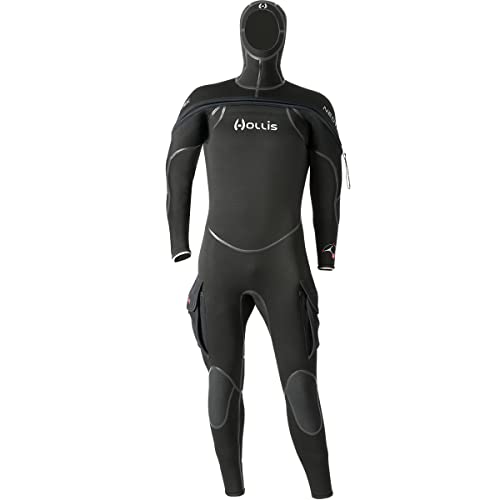
- Thick 8/7/6mm neoprene construction
- ThermaSkin liner supports warmth
- Internal dams at neck, wrists, and ankles
Best For: Scuba divers seeking a hooded semi-dry suit
Best Neoprene Boating Suit

- 3mm Fluid Flex foam neoprene
- Dry seals and Fluid seam weld
- Loose upper with performance lower fit
Best For: Boaters wanting a full-body 3mm neoprene suit
Women’s Cold-Water Pick
Women’s Hooded Kayaking Drysuit

- Tri-laminate nylon with taped seams
- Stowable hood and back-entry zipper
- Reinforced seat and knees
Best For: Women’s cold-water paddling and boating
Visibility-Focused Option
Men’s Stowable-Hood Kayak Drysuit

- Three-layer DWR nylon shell
- Reflective patches for low-light visibility
- Waist overskirt and latex gaskets
Best For: Men’s lightweight kayaking and rafting
Lightweight Utility Pick
Men’s Pocketed Paddling Drysuit

- Three-layer waterproof-breathable shell
- Integrated three-ply socks
- Adjustable seals and multiple pockets
Best For: Men’s paddling, fishing, and touring
Cold-Water Rescue Pick
Recycled Nylon Drysuit with Detachable Hood

- Recycled three-layer waterproof fabric
- Detachable hood and double tunnel
- Reflective details plus repair kit
Best For: Kayaking, rafting, rescue, and changing cold-water conditions
Lightweight Touring Pick
Men’s Lightweight Drysuit for Paddling
- Lightweight three-layer nylon shell
- Adjustable seals, waist, and cuffs
- Waterproof zipper with relief access
Best For: Paddling, touring, canoeing, and boating
Durability Pick
Reinforced Kayaking Drysuit with Relief Zipper

- Sealed three-layer waterproof construction
- 600D reinforcement at key wear areas
- Relief zipper and self-draining pockets
Best For: Kayaking, rafting, and demanding cold-water sessions
Best Entry-Level Pick – Kokatat Hydrus 3.0 Swift Entry
For paddlers seeking approachable drysuits, the Kokatat Men’s Hydrus 3.0 Swift Entry offers breathable, waterproof three-layer protection in an economical full-body design. Its front entry and relief zippers add practical convenience on the water.
Best For: Adult paddlers who want an entry-level waterproof dry suit for boating.
Pros:
- Breathable and totally waterproof Hydrus 3.0 material
- Hydrus 3.0 booties provide a neck-to-toe seal
- Includes adjustable waist bungee, waterproof front zipper, and relief zipper
Cons:
- Limited product information about storage or reinforcement features
- Pull-on closure may be less convenient than a full front-opening design
This suit focuses on essential protection and fit adjustment without adding unnecessary complexity, making it a practical starting point for recreational paddlers.
Best Feature-Rich Kayak Option – Drryfsh Rear-Entry Drysuit
This Drryfsh drysuit is designed for cold-water kayaking and related sports, combining three-layer nylon, taped seams, and a relaxed fit for layering. A rear entry, hood, fabric socks, and storage pockets make it a versatile choice for extended outings.
Best For: Kayakers, rafters, paddlers, and boaters who need waterproof coverage with room for thermal clothing.
Pros:
- Waterproof, breathable three-layer nylon with fully taped seams
- Removable hood, latex neck and wrist gaskets, fabric socks, and double waist overskirt
- Relief zipper, removable pads, and two splashproof zippered thigh pockets
Cons:
- Hand-wash-only care may require extra maintenance
- Latex components may not suit every user
- Relaxed fit can be less streamlined than a closer-fitting design
Its broad feature set and roomier cut favor practical cold-water use, particularly when layering and convenience features matter more than minimal bulk.
Best Semi-Dry Diving Suit – Hollis NeoTek V2 Hooded
The Hollis 8/7/6mm NeoTek V2 is a hooded semi-dry suit built specifically for scuba diving. Its varied neoprene thickness, internal dams, ThermaSkin liner, and horizontal front zipper emphasize warmth and water-entry reduction.
Best For: Adult scuba divers who prefer a thick, hooded semi-dry neoprene suit.
Pros:
- 8/7/6mm mix balances compression resistance and stretch
- ThermaSkin inner liner adds an insulating interior layer
- Internal neck, wrist, and ankle dams help limit water entry
Cons:
- As a semi-dry neoprene suit, it is not the same type of shell drysuit as waterproof fabric models
- Thicker 8mm construction may feel bulkier than lighter suits
- Listed size is XX-Large, so fit availability may be limited
For divers prioritizing insulation and a hooded design, the NeoTek V2 offers a warm, structured alternative to lightweight fabric drysuits.
Best Neoprene Boating Suit – O'Neill Fluid 3mm
The O’Neill Men’s Fluid 3mm Neoprene Drysuit combines a looser upper fit with a performance-oriented lower fit for watersports. Its smooth skin, dry seals, Fluid seam weld, and 3mm Fluid Flex foam neoprene provide a streamlined option for boating.
Best For: Adult boaters who want a 3mm neoprene full-body suit with dry seals.
Pros:
- 3mm Fluid Flex foam neoprene provides full-body coverage
- Dry seals and a Fluid seam weld support waterproofing
- Loose upper fit paired with a performance lower fit
Cons:
- Less insulating than the thicker 8/7/6mm Hollis option
- Listed sizing is specific to an X-Large measurement range
- Product notes provide limited information about pockets or relief access
This suit is a sensible choice for boaters who prefer neoprene flexibility and a mixed fit profile, though its 3mm thickness is better suited to users who do not need maximum insulation.
Women’s Cold-Water Pick – Women’s Hooded Kayaking Drysuit
Drryfsh Women’s Cold Water Dry Suits for Kayaking, Rafting,Canoeing,Paddling,Sailing,Boating (Large)
Check Price On AmazonFor women comparing drysuits for cold-water kayaking and other paddle sports, this lightweight nylon option focuses on dependable coverage and adjustable comfort. Its tri-laminate construction, taped seams, stowable hood, and back-entry waterproof zipper suit changing conditions on the water.
Best For: Women kayaking, rafting, canoeing, sailing, or boating in cold water.
Pros:
- Tri-laminate fabric and waterproof-taped seams help keep water out while supporting breathability.
- Detachable, stowable hood offers flexibility in warmer conditions or between sessions.
- Back-entry waterproof zipper, drop-seat relief zipper, and removable suspenders support practical comfort.
- Reinforced seat and knees, adjustable waist drawcord, and self-draining chest pocket add useful on-water details.
Cons:
- Hand-wash-only care may require extra maintenance.
- Latex and neoprene components may not suit every wearer.
- The relaxed fit and large size may require careful sizing for a secure seal.
This is a feature-rich women’s drysuit for paddlers who want a removable hood and a rear-entry design. Check sizing and seal materials before choosing it for regular cold-water use.
Visibility-Focused Option – Men’s Stowable-Hood Kayak Drysuit
Waterproof Kayak Drysuit with Stowable Hood Breathable Dry Suit for Men in Cold Water (Large)
Check Price On AmazonThis men’s drysuit is designed for cold-water kayaking, rafting, and related water sports. The three-layer nylon shell combines waterproof, windproof, and breathable performance with a stowable hood, relief zipper, splashproof pockets, and reflective patches.
Best For: Men who need a lightweight drysuit for kayaking, rafting, boating, or paddling.
Pros:
- Three-layer nylon with DWR finish is designed for durable waterproof, windproof, and breathable performance.
- Removable hood, waterproof front entry, and relief zipper improve adaptability and access.
- Latex neck and wrist gaskets plus a double-pull waist overskirt help create a watertight setup.
- Reflective patches and self-draining chest pockets add practical visibility and storage features.
Cons:
- Hand-wash-only care may be less convenient.
- Latex gaskets and neoprene components can limit suitability for some users.
- The listed relaxed fit and large size still require attention to sizing and seal comfort.
Choose this model if visibility details and a removable hood matter alongside waterproof coverage. Its knee and drop-seat neoprene patches also add targeted comfort and protection for active use.
Lightweight Utility Pick – Men’s Pocketed Paddling Drysuit
For paddlers seeking lightweight drysuits with practical storage, this one-piece men’s model uses a three-layer waterproof-breathable nylon shell and integrated socks. Adjustable seals, a front-entry waterproof zipper, and multiple pockets make it suited to fishing, touring, and other water sports.
Best For: Men paddling, fishing, canoeing, rafting, boating, or touring in cold water.
Pros:
- Three-layer nylon shell is designed for waterproof breathability, durability, and abrasion resistance.
- Trimmable latex seals, adjustable waist webbing, and hook-and-loop cuffs support a customized fit.
- Front-entry waterproof zipper provides easier entry and relief access while maintaining a seal.
- Integrated three-ply socks and sleeve and chest pockets help keep feet and essentials protected.
Cons:
- The fabric is listed as low stretch, which may affect mobility for some wearers.
- Machine-wash care should still be checked against the care requirements for the seals and shell.
- Latex and neoprene materials may not be appropriate for everyone.
This is a practical choice for users who prioritize a light construction, integrated socks, and accessible storage. Confirm the fit around the neck, wrists, waist, and ankles before heading into cold water.
Cold-Water Rescue Pick – Recycled Nylon Drysuit with Detachable Hood
These drysuits are built for paddlers and rescue users who need waterproof coverage, visibility, and adaptable protection in cold or changing conditions. This one combines a breathable recycled-nylon shell with a detachable hood, reinforced gaskets, and a double tunnel for a secure spray-skirt seal.
Best For: Kayaking, rafting, water rescue, canyoneering, and other cold-water activities where visibility and adjustable coverage matter.
Pros:
- Three-layer waterproof, breathable fabric made with 100% recycled materials.
- Detachable hood can be opened or stowed for warmer conditions.
- Reflective patches and stripe improve low-light visibility.
- Includes removable seat and knee pads, a whistle, and a repair kit.
Cons:
- Hand-wash care may require more maintenance than machine-washable options.
- At 4.3 pounds in the listed size, it is not the lightest option here.
- The listed size is X-Large, so fit selection is important.
Choose this model if you value versatility and rescue-oriented details. Its hood, double tunnel, protective overcuffs, and included repair accessories make it a well-equipped choice for extended water seasons.
Lightweight Touring Pick – Men’s Lightweight Drysuit for Paddling
For buyers comparing drysuits for touring and paddling, this lightweight model focuses on easy movement and adjustable fit. Its three-layer nylon shell is designed for waterproof, breathable protection, while the front-entry zipper, integrated socks, and multiple pockets support longer outings.
Best For: Paddling, canoeing, rafting, fishing, boating, sailing, and touring when low weight and storage access are priorities.
Pros:
- Lightweight three-layer waterproof, breathable nylon shell.
- Adjustable waist, wrist, and ankle closures help customize the fit.
- Front-entry waterproof zipper includes convenient relief access.
- Chest and sleeve pockets keep small essentials accessible.
Cons:
- The listed XX-Large size may not suit shoppers needing other size options.
- Machine-wash care should still be checked against the manufacturer’s instructions.
- The relaxed fit may feel less streamlined than a closer-fitting suit.
This is a practical option for active users who want a relatively light suit with useful adjustability. The integrated three-ply socks and pocket layout add convenience for full-day paddling and touring.
Durability Pick – Reinforced Kayaking Drysuit with Relief Zipper
Among drysuits for kayaking and rafting, this model stands out for reinforced high-wear areas and convenient access. Its sealed three-layer construction is paired with 600D nylon inserts at the knees, seat, and sock soles, plus a relief zipper that avoids removing the entire suit.
Best For: Kayaking, sailing, paddling, rafting, and cold-water use where reinforced contact points and easy relief access are valuable.
Pros:
- Three-layer waterproof, breathable fabric with sealed seams.
- 600D nylon reinforces the knees, seat, and sock soles.
- Relief zipper allows easier restroom access.
- Self-draining chest and sleeve pockets keep essentials close.
Cons:
- The fabric has no stretch, which may limit flexibility for some users.
- Hand-wash care is less convenient than machine-wash maintenance.
- The listed size is Medium, so shoppers should confirm sizing carefully.
This suit is a strong fit for users who prioritize durability in high-contact areas. Its reinforced panels, sealed seams, custom-fit waist belt, and relief zipper make it especially practical for demanding water sessions.
How We Picked These Drysuits
We focused on the features that matter most in real cold-water use: waterproof construction, seam sealing, entry style, mobility, insulation compatibility, durability, and ease of changing. The selection includes full Drysuits and semi-dry neoprene designs for different temperatures and activity levels.
We also considered practical details such as relief zippers, attached or detachable hoods, integrated socks, stowable hoods, adjustable closures, and sizing options. A drysuit should match both the water conditions and the way you plan to move in it—not simply offer the thickest or most technical materials.
Quick Comparison
| Best For | Look For | Typical Advantage |
|---|---|---|
| Kayaking and paddling | Breathable fabric, articulated fit, relief zipper | Comfort and unrestricted movement |
| Very cold water | Room for insulating layers, sealed neck and cuffs | Better thermal protection |
| Rafting and rescue work | Reinforced panels, durable socks, secure hood | Improved abrasion and weather resistance |
| Sailing and boating | Waterproof shell, adjustable seals, easy entry | Protection during spray and immersion |
| Warmth-focused use | Thick neoprene or semi-dry construction | Added insulation with less layering |
Key Buying Factors for Drysuits
Waterproofing and Seals
Look for sealed seams, a dependable waterproof zipper, and snug neck and wrist gaskets. Latex seals generally provide the most watertight fit, while neoprene seals may feel warmer and more comfortable but can allow more water entry.
Material and Insulation
Breathable shell fabrics are useful for active paddling because they release some moisture vapor and leave room for base layers. Neoprene suits provide inherent insulation, but they can feel warmer and less flexible. Check whether the suit is designed to be worn over thermal clothing.
Entry, Relief Zippers, and Fit
Front or rear entry affects convenience, while a relief zipper can make long outings much easier. Choose a fit that permits squatting, reaching, and layering without excess fabric that could snag. Use the manufacturer’s height, chest, waist, and inseam measurements rather than relying only on general clothing size.
Hood, Socks, and Durability
An integrated hood offers convenient coverage, while a detachable or stowable hood provides more flexibility. Built-in socks help prevent water from entering at the ankles, but footwear must fit over them. Reinforced seat, knees, elbows, and high-wear panels are valuable for rocky launches and rescue environments.
Who Should Buy Which Drysuits?
Kayakers and touring paddlers: Choose a breathable suit with good articulation, integrated socks, and a relief zipper for comfort during long trips.
Cold-water beginners: Prioritize reliable seals, simple entry, and enough room for insulating layers. A forgiving fit is usually more useful than advanced features you will not use.
Sailors and boaters: Look for full waterproof coverage, durable fabric, and easy adjustability for spray, wind, and sudden weather changes.
Rafters, rescuers, and explorers: Favor reinforced construction, a secure hood, dependable closures, and abrasion-resistant materials.
Swimmers or users seeking extra warmth: A thick neoprene or semi-dry design may be preferable, especially when mobility demands are moderate. Regardless of style, pair the suit with appropriate insulation, footwear, and a properly fitted personal flotation device when conditions require one.