Changing light can make a fishing trip harder on your eyes, especially when you move between shaded banks, open water, and bright midday conditions. Photochromic fishing sunglasses automatically adjust their tint while polarized lenses help reduce distracting surface glare.
We selected 10 versatile options for anglers who also cycle, drive, run, or need protective eyewear. Compare lens performance, fit, ventilation, prescription compatibility, and safety ratings before choosing your pair.
Contents
- Best 10 Photochromic Fishing Sunglasses Picks for 2026
- Lightweight All-Day Pick – Photochromic Polarized Fishing Sunglasses
- Versatile Wraparound Choice – KAPVOE Photochromic Cycling Glasses
- Secure Fishing Fit – Marino Bonatti Polarized Sunglasses
- Prescription-Ready Performance – ROCKBROS Photochromic Sports Sunglasses
- Versatile Day-to-Night Pick – YIMI Polarized Photochromic Sunglasses
- Prescription-Friendly Sport Pick – ROCKBROS Photochromic Sports Sunglasses
- Safety-Certified Fishing Pick – SODQW Z87 Photochromic Safety Sunglasses
- All-Day Adaptability – HCYCFY Photochromic Fishing Sunglasses
- Everyday UV Coverage – Myiaur Polarized Photochromic Sunglasses
- Shield-Style Coverage – HCYCFY Blue-Frame Photochromic Sunglasses
- How We Picked These Photochromic Fishing Sunglasses
- Quick Comparison
- Key Buying Factors for Photochromic Fishing Sunglasses
- Who Should Buy Which Photochromic Fishing Sunglasses?
Best 10 Photochromic Fishing Sunglasses Picks for 2026
Lightweight All-Day Pick
Photochromic Polarized Fishing Sunglasses

- Adaptive tint from clear to dark
- Polarized glare reduction for water
- Lightweight 24-gram design
Best For: Changing-light outdoor activities and everyday fishing
Versatile Wraparound Choice
KAPVOE Photochromic Cycling Glasses

- Clear-to-dark UV-activated lenses
- Flexible TR90 full-frame construction
- Built-in myopia frame included
Best For: Active anglers and multisport outdoor use
Secure Fishing Fit
Marino Bonatti Polarized Sunglasses
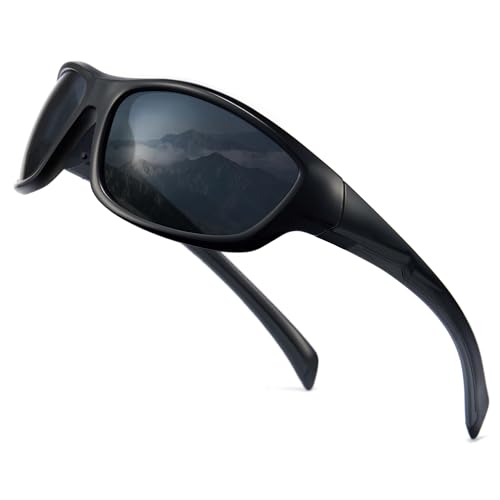
- Polarized TAC lenses with UV400
- Grip coating helps prevent slipping
- Snug lightweight wraparound fit
Best For: Long fishing and water-sports sessions
Prescription-Ready Performance
ROCKBROS Photochromic Sports Sunglasses

- 83%-to-16% light-transmittance range
- Wide 180-degree wraparound view
- Built-in myopia frame included
Best For: Near-sighted anglers and active outdoor users
Versatile Day-to-Night Pick
YIMI Polarized Photochromic Sunglasses
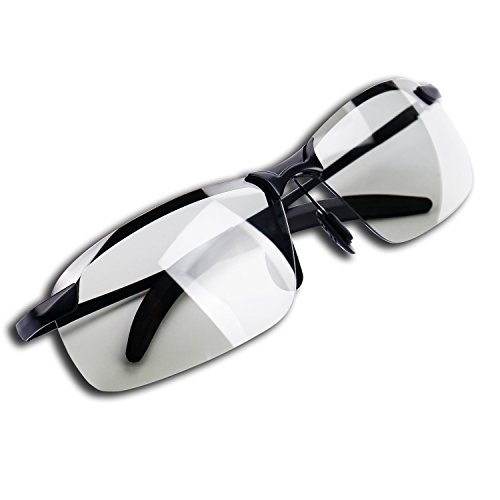
- Photochromic lenses adapt to changing sunlight
- Polarized, UV400 lenses reduce reflected glare
- Lightweight alloy frame with silicone nose pads
Best For: Fishing, driving, and everyday outdoor use
Prescription-Friendly Sport Pick
ROCKBROS Photochromic Sports Sunglasses
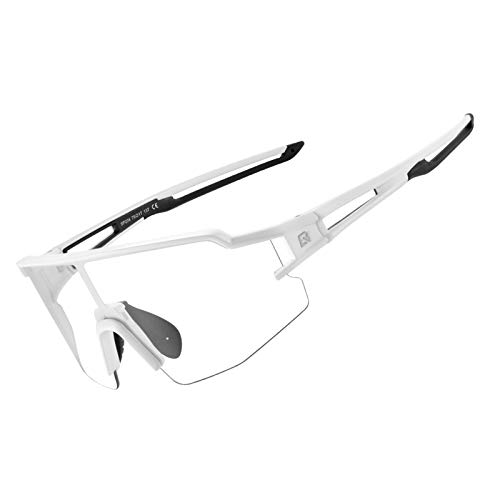
- 83% to 16% transmittance adaptation range
- Built-in myopia frame for prescription compatibility
- Wide wraparound coverage with UV400 protection
Best For: Active anglers who need prescription compatibility
Safety-Certified Fishing Pick
SODQW Z87 Photochromic Safety Sunglasses

- Polarized transition lenses reduce water glare
- ANSI Z87.1 impact-resistant safety design
- Lightweight alloy wraparound frame
Best For: Fishing combined with demanding work or outdoor use
All-Day Adaptability
HCYCFY Photochromic Fishing Sunglasses

- Photochromic polarized lenses adjust to changing light
- Lightweight 24-gram sports construction
- Includes case, rope, cloth, pouch, and test card
Best For: Versatile outdoor use from fishing to driving
Everyday UV Coverage
Myiaur Polarized Photochromic Sunglasses

- Photochromic polarized lenses adapt to UV intensity
- Advertised UV400 UVA and UVB protection
- Anti-fog and anti-reflective coatings
Best For: Everyday fishing, driving, and outdoor wear
Shield-Style Coverage
HCYCFY Blue-Frame Photochromic Sunglasses

- Shield-style design with photochromic lenses
- Polarized glare reduction for water and roads
- Lightweight 24-gram construction with accessories
Best For: Active anglers who prefer a sporty blue-frame design
Lightweight All-Day Pick – Photochromic Polarized Fishing Sunglasses
These photochromic fishing sunglasses are a practical choice if you want one lightweight pair for changing outdoor conditions. The lenses transition from transparent indoors or at night to gray in cloudy weather and darker in strong sunlight, while polarization helps reduce reflected glare from water and other horizontal surfaces.
Best For: Fishing, driving, cycling, hiking, and other activities where light conditions change throughout the day.
Pros:
- Photochromic lenses adapt from clear to darker shades based on UV intensity.
- Polarized lenses reduce glare and haze from water, roads, snow, and similar surfaces.
- Lightweight 24-gram construction with comfortable nose pads.
- Includes a case, rope, cloth, pouch, and polarization test card.
Cons:
- Plastic frame and lenses may offer less premium durability than higher-end materials.
- The square, medium-size fit may not suit every face shape.
Choose this pair if all-day comfort and included accessories matter as much as glare reduction. Its adaptive tint and polarized design make it versatile, though shoppers seeking a specialized wraparound fishing fit may prefer another option.
Versatile Wraparound Choice – KAPVOE Photochromic Cycling Glasses
For shoppers who want photochromic fishing sunglasses with a sport-oriented wraparound design, the KAPVOE K9022 combines transition lenses with a flexible TR90 frame. The lenses move from light clear to a deeper color under UV exposure, making them suitable for changing conditions on the water or during active outdoor use.
Best For: Fishing, boating, cycling, hiking, and other sports where a secure full-frame fit is useful.
Pros:
- Photochromic lenses transition from clear to darker in sunlight.
- TR90 frame is lightweight, flexible, and resistant to bending.
- Soft, nonslip rubber nose pads support comfort and stability.
- Includes a built-in myopia frame for prescription-lens configuration.
Cons:
- One-size wraparound styling may not fit every wearer equally well.
- Its cycling-focused design may feel more sporty than casual fishing sunglasses.
The KAPVOE is a strong fit for active anglers who value secure coverage and flexibility. The included myopia frame adds versatility, but prescription lenses still need to be configured separately.
Secure Fishing Fit – Marino Bonatti Polarized Sunglasses
These Marino Bonatti photochromic fishing sunglasses are designed around comfort and stability during long days near the water. Their polarized TAC lenses reduce glare, while the grip coating, silicone nose pads, and snug fit help limit slipping and bouncing when you sweat or move around.
Best For: Anglers who prioritize a stable, comfortable fit for boating, casting, paddling, and other water activities.
Pros:
- Polarized lenses help reduce glare and include UV400 protection.
- Grip coating and soft silicone nose pads help prevent slipping.
- Snug, lightweight design is intended to reduce bouncing while moving.
- Full-frame wraparound shape provides broad coverage.
Cons:
- The supplied details identify the lens as polarized but do not specify a light-reactive transition range.
- Medium fit and 76 mm lens width may not suit every face.
This is the most fishing-focused option in the group for anglers who need reliable grip and glare control. Verify the tint-transition expectations before buying if photochromic performance is your main priority.
Prescription-Ready Performance – ROCKBROS Photochromic Sports Sunglasses
ROCKBROS photochromic fishing sunglasses offer a broad wraparound view and a clearly specified tint range for changing light. The lenses are rated at 83% transmittance indoors and 16% in bright conditions, while the included myopia frame makes this set worth considering for near-sighted anglers and other outdoor athletes.
Best For: Fishing, cycling, running, and outdoor users who want wide coverage with prescription compatibility.
Pros:
- Adaptive lenses shift from 83% transmittance to 16% in bright conditions.
- Oversized wraparound lens provides a stated 180-degree field of view.
- Built-in myopia frame supports prescription-lens configuration.
- Polycarbonate lenses provide UV400 protection and impact resistance.
Cons:
- The lenses are non-polarized, so they may not reduce water glare as much as polarized alternatives.
- Prescription lenses are not included.
- The recommended prescription range is limited to myopia below 400° and astigmatism below 200°.
Pick the ROCKBROS if wide peripheral coverage and prescription compatibility outweigh the benefits of polarization. Its defined transition range is useful for mixed lighting, but anglers targeting intense water glare may prefer a polarized model.
Versatile Day-to-Night Pick – YIMI Polarized Photochromic Sunglasses
YIMI Polarized Photochromic Driving z87 Sunglasses For Men Day and Night safety glasses
Check Price On AmazonFor anglers who need photochromic fishing sunglasses that can move between changing light conditions, the YIMI combines light-adaptive lenses with polarization. The lenses darken in stronger sunlight and lighten indoors, while the polarized coating helps reduce reflected glare from water and other bright surfaces.
Best For: Fishing, driving, and general outdoor use when you want a lightweight, adaptive pair with a semi-rimless field of view.
Pros:
- Photochromic lenses adjust from lighter indoor conditions to darker sunlight.
- Polarized lenses reduce glare and include UV400 protection.
- Lightweight aluminum-magnesium frame includes spring hinges and silicone nose pads.
- Wraparound styling suits fishing, cycling, hiking, and other outdoor activities.
Cons:
- The one-size regular fit may not suit every face shape.
- The supplied information does not specify a precise tint-transmittance range.
The YIMI is a practical choice if glare reduction and all-day adaptability matter more than specialized fishing-only features. Its flexible frame and broad outdoor-use design add versatility for anglers who also drive or exercise outside.
Prescription-Friendly Sport Pick – ROCKBROS Photochromic Sports Sunglasses
The ROCKBROS stands out among photochromic fishing sunglasses for anglers who also spend time cycling or running. Its oversized wraparound lens provides a wide field of view, while the photochromic lens shifts from 83% transmittance indoors to 16% in bright conditions.
Best For: Active anglers and outdoor athletes who want broad coverage, adaptive tinting, and a built-in frame compatible with prescription lenses.
Pros:
- Photochromic lens adapts across indoor and bright outdoor conditions.
- Large wraparound design provides a claimed 180-degree field of view.
- Built-in myopia frame supports prescription lenses; recommended limits are below 400 degrees of myopia and 200 degrees of astigmatism.
- Includes UV400 protection, impact-resistant polycarbonate lenses, and a hard case.
Cons:
- It is non-polarized, so it does not provide the glare reduction of polarized fishing sunglasses.
- Prescription lenses are not included.
- The oversized sport design may be more than casual users need.
Choose the ROCKBROS when coverage and prescription compatibility are priorities. For fishing on highly reflective water, remember that its supplied specifications list UV protection but not polarization.
Safety-Certified Fishing Pick – SODQW Z87 Photochromic Safety Sunglasses
For buyers seeking photochromic fishing sunglasses with added workplace protection, the SODQW combines polarized transition lenses with an ANSI Z87.1 safety rating. Its lenses shift from light gray indoors to dark gray in bright sunlight and are designed to reduce glare from water, roads, and metal surfaces.
Best For: Anglers who also need impact-resistant eyewear for construction, woodworking, manufacturing, or other demanding outdoor and work environments.
Pros:
- Polarized photochromic lenses adapt to UV intensity and reduce reflected glare.
- UV400 coating provides UVA and UVB protection.
- ANSI Z87.1 safety certification and impact-resistant lenses add worksite protection.
- Lightweight aluminum-magnesium alloy frame has silicone nose pads and a wraparound design.
Cons:
- Its safety-oriented full-rim design may feel less minimal than sport sunglasses.
- The listed medium size may not fit every wearer equally well.
The SODQW is the strongest fit for anglers who move between fishing and tougher work settings. It offers the key combination of polarization, adaptive tinting, and stated safety certification, though sizing should be considered before purchase.
All-Day Adaptability – HCYCFY Photochromic Fishing Sunglasses
These photochromic fishing sunglasses are designed for changing outdoor light. The lenses darken in stronger UV light, shift toward gray in cloudy conditions, and become transparent indoors or at night. Polarization also helps reduce glare from water and other horizontal surfaces.
Best For: Anglers and outdoor users who want lightweight, adaptable eyewear for fishing, driving, cycling, hiking, and similar activities.
Pros:
- Photochromic lenses adjust their tint according to UV intensity.
- Polarized lenses reduce reflected glare and haze from bodies of water and roads.
- Lightweight 24-gram construction with nose pads for added comfort.
- Includes a case, sports rope, cleaning cloth, pouch, and polarization test card.
Cons:
- Plastic lenses and frame may feel less premium than glass alternatives.
- Regular medium fit may not suit every face shape.
Choose this model if adaptable tint, glare reduction, and a generous accessory package matter more than specialized fishing-only styling. Its wrap-around sports design also makes it practical for a range of outdoor activities.
Everyday UV Coverage – Myiaur Polarized Photochromic Sunglasses
For shoppers comparing photochromic fishing sunglasses with everyday outdoor eyewear, this Myiaur pair combines automatic tint adjustment with polarized anti-glare performance. Its UV400 protection is designed for extended time outdoors, including lake fishing, driving, cycling, and hiking.
Best For: Men and women seeking lightweight, everyday photochromic sunglasses with polarized glare reduction and UV400 protection.
Pros:
- Photochromic lenses adjust darkness as UV intensity changes.
- Polarization helps reduce glare from water, roads, and reflective surfaces.
- Advertised UV400 protection blocks UVA and UVB rays.
- Lightweight plastic construction includes anti-fog and anti-reflective coatings.
Cons:
- The product is listed in a medium size, which may not fit all users.
- Care instructions caution against paper towels, clothing, household cleaners, and strong soaps.
This is a practical choice when you want fishing-ready glare reduction without giving up an everyday classic look. Its coating-care requirements are worth noting if you prefer low-maintenance eyewear.
Shield-Style Coverage – HCYCFY Blue-Frame Photochromic Sunglasses
These photochromic fishing sunglasses use a shield-style design and polarized lenses to address changing light and reflected glare. The tint is intended to become darker in strong sunlight, gray in cloudy conditions, and transparent indoors or at night.
Best For: Anglers and active users who prefer a blue-frame shield design for fishing, climbing, cycling, driving, and other outdoor activities.
Pros:
- Photochromic lenses change color in response to UV exposure.
- Polarization helps cut glare and haze reflected from water and other surfaces.
- Lightweight 24-gram plastic construction includes nose pads.
- Comes with a case, sports rope, soft cloth, pouch, and polarization test card.
Cons:
- The listed medium fit may not work equally well for every face.
- Shield frame coverage is listed as not full.
- Plastic lens and frame materials may not appeal to shoppers wanting glass construction.
The blue frame and shield form distinguish this version from more conventional square sunglasses. It is a sensible pick for active users who want adaptable tint and polarized glare control in a lightweight package.
How We Picked These Photochromic Fishing Sunglasses
We focused on features that matter during real outdoor use: photochromic tint adjustment, polarization, UV protection, lens coverage, ventilation, frame stability, and comfort over long wear. We also considered whether each design suits fishing alone or works across cycling, driving, running, and general outdoor activity.
Product listings can vary by seller and model revision, so confirm the current lens specifications, included accessories, sizing, and certification details before ordering. Claims such as UV400, anti-fog treatment, or safety compliance should be checked against the latest listing information.
Quick Comparison
| Feature | What to Look For | Why It Matters |
|---|---|---|
| Lens type | Photochromic, polarized, or both | Controls changing brightness and reduces reflected glare |
| UV protection | UV400 or clearly stated full UVA/UVB protection | Helps protect eyes during extended outdoor exposure |
| Coverage | Wraparound or larger shield-style lenses | Blocks more side glare, wind, and spray |
| Fit | Secure nose pads, grippy temples, and suitable width | Prevents slipping while casting, walking, or moving quickly |
| Extras | Anti-fog coating, myopia insert, case, or replacement parts | Adds convenience for specific activities and conditions |
Key Buying Factors for Photochromic Fishing Sunglasses
Polarization and Tint Behavior
Polarization is useful for cutting glare from water, but it does not automatically improve visibility in every situation. Photochromic lenses are most valuable when brightness changes throughout the day. Check whether the lenses become sufficiently dark in direct sun and sufficiently clear in shade. Some photochromic lenses may change more slowly in cold temperatures or behind vehicle windshields.
UV Protection and Optical Quality
Look for clearly stated UV400 protection rather than relying only on dark tint. Dark lenses without adequate UV protection are not a safe substitute. For fishing, an even tint and minimal distortion are especially important when watching water, line, and lure movement.
Comfort, Coverage, and Fog Control
A lightweight frame is helpful for all-day wear, while wraparound coverage limits peripheral glare. Ventilation and anti-fog treatment matter in humid weather, during active movement, or when wearing a face covering. Make sure the frame does not interfere with hats, ear protection, or fishing gear.
Prescription and Safety Needs
If you wear glasses, check whether the frame accepts a myopia insert or whether prescription customization is available. For work or roadside use, verify the exact safety standard and impact rating; a casual sports frame should not be assumed to provide certified occupational protection.
Who Should Buy Which Photochromic Fishing Sunglasses?
For anglers in changing conditions: Choose a polarized photochromic model with broad coverage, reliable UV protection, and a stable fit.
For cycling and multisport use: Prioritize lightweight wraparound frames, ventilation, anti-fog features, and secure temple grips.
For drivers: Select lenses that remain clear enough for low-light use, and confirm how well the photochromic function works inside a vehicle, since many lenses darken less behind windshields.
For prescription wearers: Look for a compatible myopia insert or verified prescription option rather than assuming universal fit.
For occasional outdoor use: A simpler UV400 photochromic pair may offer the best value if you do not need advanced ventilation, inserts, or certified impact protection.